
AI Startups’ ROI Reckoning: What 4 VCs Say Matters Now
Healthcare AI customers are demanding clear, measurable ROI before they scale adoption. Here, four investors discussed how the healthcare AI startups are adapting to this new market dynamic.
Healthcare AI customers are demanding clear, measurable ROI before they scale adoption. Here, four investors discussed how the healthcare AI startups are adapting to this new market dynamic.

Ratnakar Lavu, Elevance Health’s chief digital information officer, said the company is using AI to streamline approvals, claims processing and member support while keeping denials under human review.


By reducing administrative burden and redesigning workflows around human needs, it creates space for what matters most: connection between clinicians and patients.

As hundreds of rural hospitals face the risk of closure, healthcare leaders warn that the fallout extends far beyond patient outcomes. During a panel at ViVE in Los Angeles, healthcare leaders outlined how access to care underpins the economic stability of rural America.

The contract negotiation process between providers and payers is now more complex than ever, according to Baptist Health CEO Michael Mayo. In an interview, he spoke about his health system’s recent protracted negotiation with Florida Blue — which required months of preparation, external consultants, and even a task force of board members.

Healthcare AI is developing at a rapid rate, and the industry’s attitude on how to best regulate and deploy this technology is evolving every day, according to leaders attending this year’s ViVE conference.

Hospitals are adopting AI technology more than ever before, but they still face challenges when it comes to measuring the impact of these solutions and scaling them, noted Kiran Mysore, chief data & analytics officer at Sutter Health.

We have the opportunity to design systems that give people greater capacity for the work where human presence matters most: listening, understanding, reassuring, deciding, and caring.

The conversations in Nashville reinforced the idea that while innovation remains essential, vendors must navigate the fine balance between bold ideas and real-world implementation, demonstrating not just promise but tangible outcomes.

This year's ViVE conference was full of announcements — from acquisitions to rebrands to product launches. This list compiles short summaries for seven of the conference’s most notable announcements.

Virtual care is no longer just a convenience, it is a necessity. The question is no longer whether virtual-first care is viable but how quickly we can make it the preferred model for modern healthcare.

StartUp Health's presence at ViVE will highlight the launch of its Health Transformer University and the addition of Helmsley Charitable Trust as an investor. Its pavilion will showcase 16 health tech companies and include panel discussions on remote patient monitoring, automation and more.


Veradigm examines key clinical trends, comorbidity profiles, and treatment trends across adolescence, reproductive years, and peri-/post-menopause. Download it today!
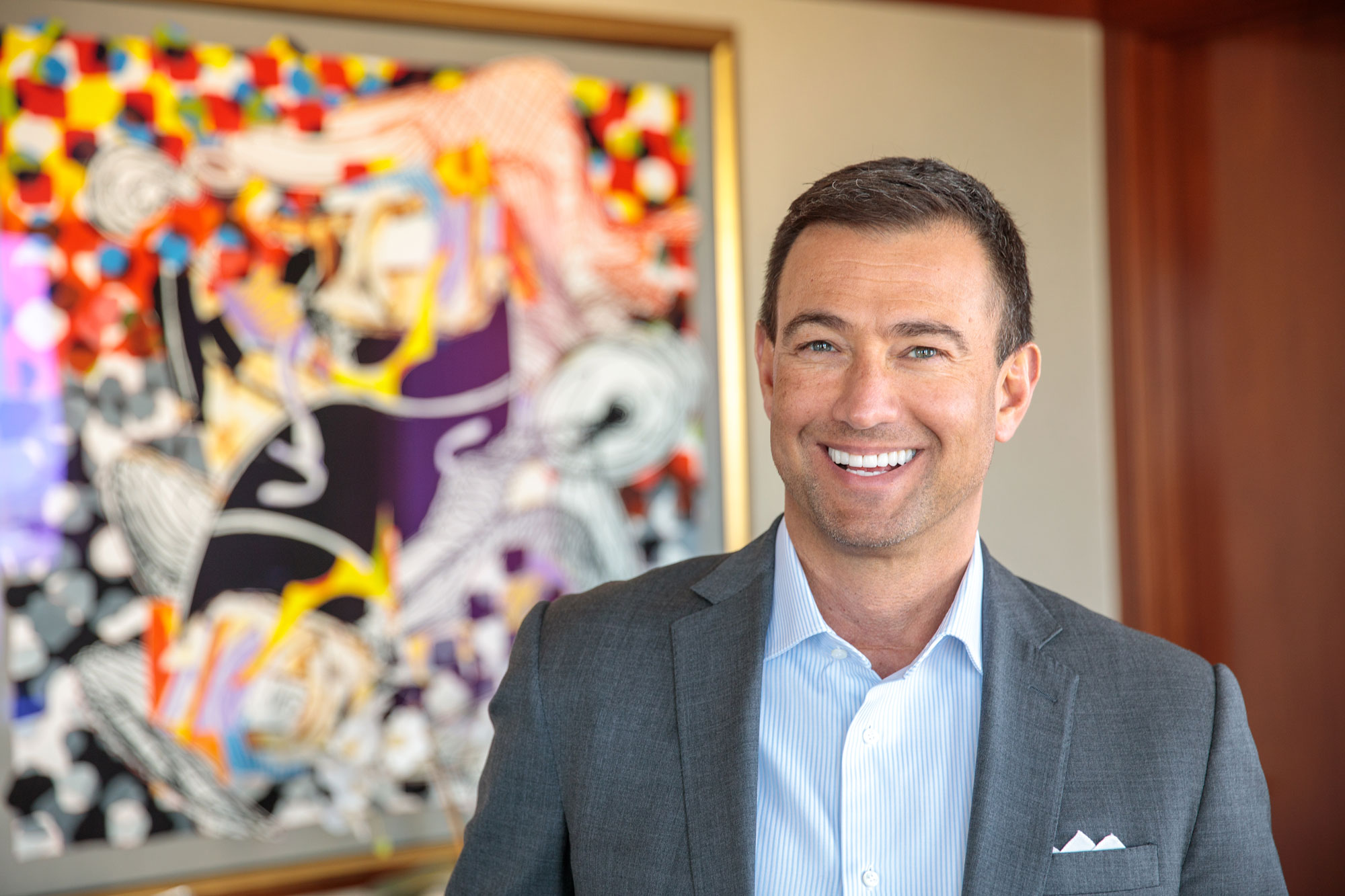
In a sit-down interview, Roy Schoenberg said the fixation on consumer behavior around telehealth misses the bigger story. He thinks provider adoption and integration of telehealth will drive greater use, setting Amwell apart from direct-to-consumer telehealth providers like Teladoc.

In an interview at ViVE earlier this week in Miami, Dr. Sunita Mishra, medical director of Care Medical, Amazon Care's clinical delivery team, said that her experiences as a burned-out primary care physician will help to shape clinician experience, among other things, as Amazon seeks to scale up access to care.

The discount card, administered by InsideRx, is offered through Prime Therapeutics and its Blue Cross and Blue Shield clients. To use MedsYourWay, customers must get their drugs from Amazon Pharmacy.

Launched Monday with an initial investment of $20 million from General Catalyst, the startup is looking to bolster access to high-quality, affordable primary and specialty care in rural areas.

Cybersecurity will be an important part of the conversation at the ViVE conference by HLTH and CHIME, March 6-9 in Miami Beach. An interview with a senior adviser from the Cybersecurity and Infrastructure Security Agency highlights how payers, providers and health tech companies can better protect patient data.